
If you’re searching for the best paid social media strategies for new startups, here’s a number that should get your attention: AI-optimized paid social campaigns are delivering an average ROI of 318% in 2026, a 27% improvement over prior baselines. That kind of return is not reserved for Fortune 500 companies with bottomless ad budgets. It is entirely within reach for a new startup that knows how to structure its approach, choose the right platforms, and deploy spend with precision from day one.
Key Takeaways
Question |
Quick Answer |
|---|---|
What is the best paid social platform for a new startup? |
Meta (Facebook/Instagram) offers the broadest targeting reach for B2C startups. LinkedIn is best for B2B. TikTok is dominant for younger demographics in 2026. |
How much should a startup spend on paid social media? |
Most early-stage startups see traction starting at $500-$1,500/month when spend is directed by a structured strategy, not guesswork. |
Do new startups need a growth partner for paid social? |
A growth partner provides the strategic structure that prevents startups from wasting ad spend on untested assumptions. |
What content format works best in paid social for startups? |
Short-form video consistently outperforms static images, with 73% of consumers preferring video to learn about a brand. |
Is native lead capture better than a landing page? |
Yes. Native on-platform forms (Facebook Lead Ads, LinkedIn Lead Gen) convert 30-40% better than off-platform landing pages for most startup use cases. |
How do startups build scaleable growth with paid social? |
By following a structured framework: launch with one validated offer, build systems, then scale with data. Learn more about scaling a small business the right way. |
What mistakes do startups make with paid social? |
Running ads without a CRM, targeting too broadly, skipping retargeting, and measuring vanity metrics instead of pipeline value are the most common (and costly) errors. |
Why Paid Social Media Is Non-Negotiable for New Startups in 2026
Organic reach on social platforms has been declining for years, and in 2026, the reality is blunt: if your startup is not investing in paid distribution, your content is essentially invisible. Paid social bridges that gap immediately, putting your offer in front of a precisely defined audience while your organic presence is still finding its footing.
For a small business just entering the market, speed matters. Paid social is one of the only channels where you can go from zero to qualified leads within 48-72 hours of launching a campaign, assuming the targeting, creative, and offer are dialed in correctly.
The key word in that sentence is “assuming.” Most new startups skip the strategic groundwork and jump straight to spending, which is why so many ad accounts show a graveyard of failed campaigns. The best paid social media strategies for new startups are built on a foundation of research, structure, and tested systems before a single dollar is committed to ad spend.
Best Paid Social Media Strategies for New Startups: Build the Foundation First
Before choosing a platform or setting a budget, every startup needs three things in place: a validated offer, a functioning lead capture system, and a clear picture of who their buyer is. Without these, paid social amplifies confusion rather than growth.
This is precisely why our approach starts with a Digital Launch stage that establishes your digital infrastructure before any paid campaign goes live. A mobile-ready website, a competitive market analysis, and a go-to-market strategy report are not optional add-ons. They are the launchpad that determines whether your ad spend creates momentum or evaporates.
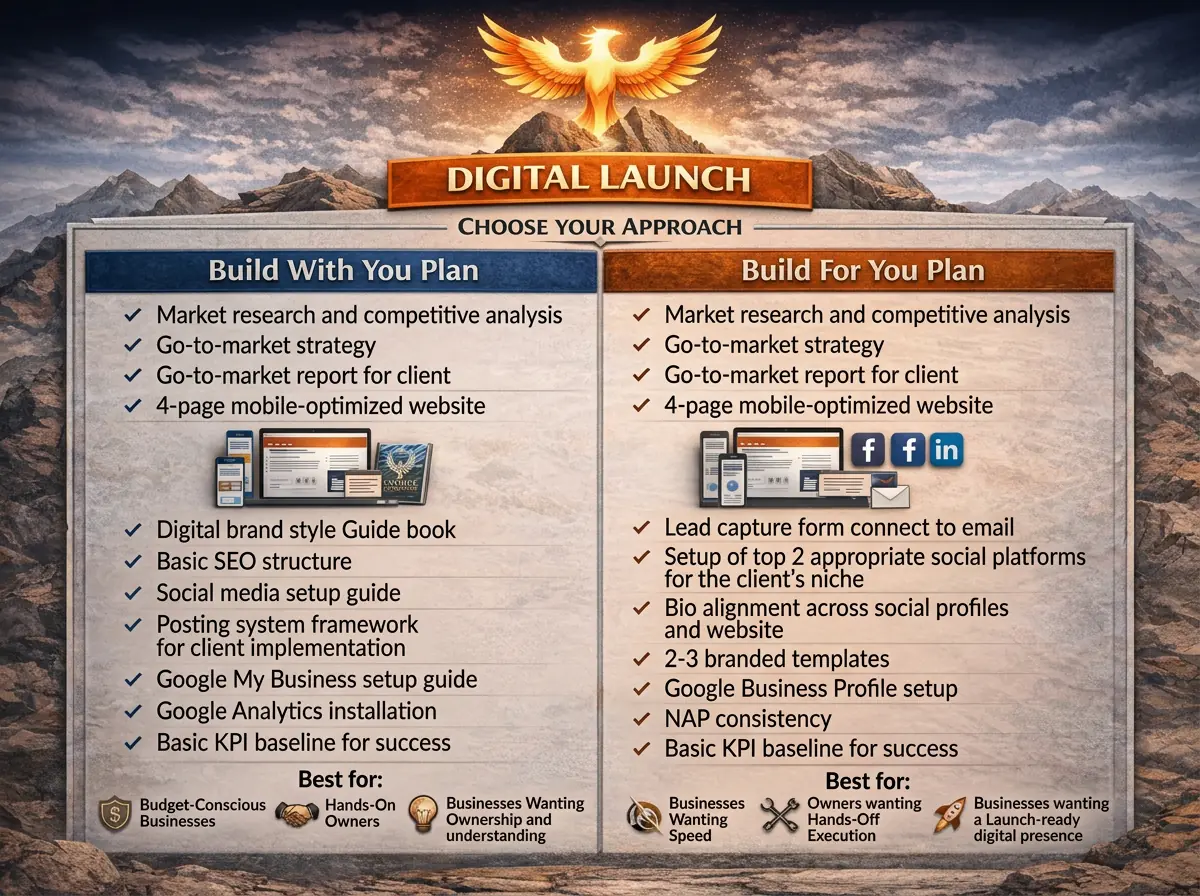
Think of this stage as building the runway before the plane takes off. The runway has to be long enough, smooth enough, and pointed in the right direction. Paid social is the engine. The Digital Launch is everything the engine needs to actually lift off.
Choosing the Right Platforms for Your Small Business Paid Strategy
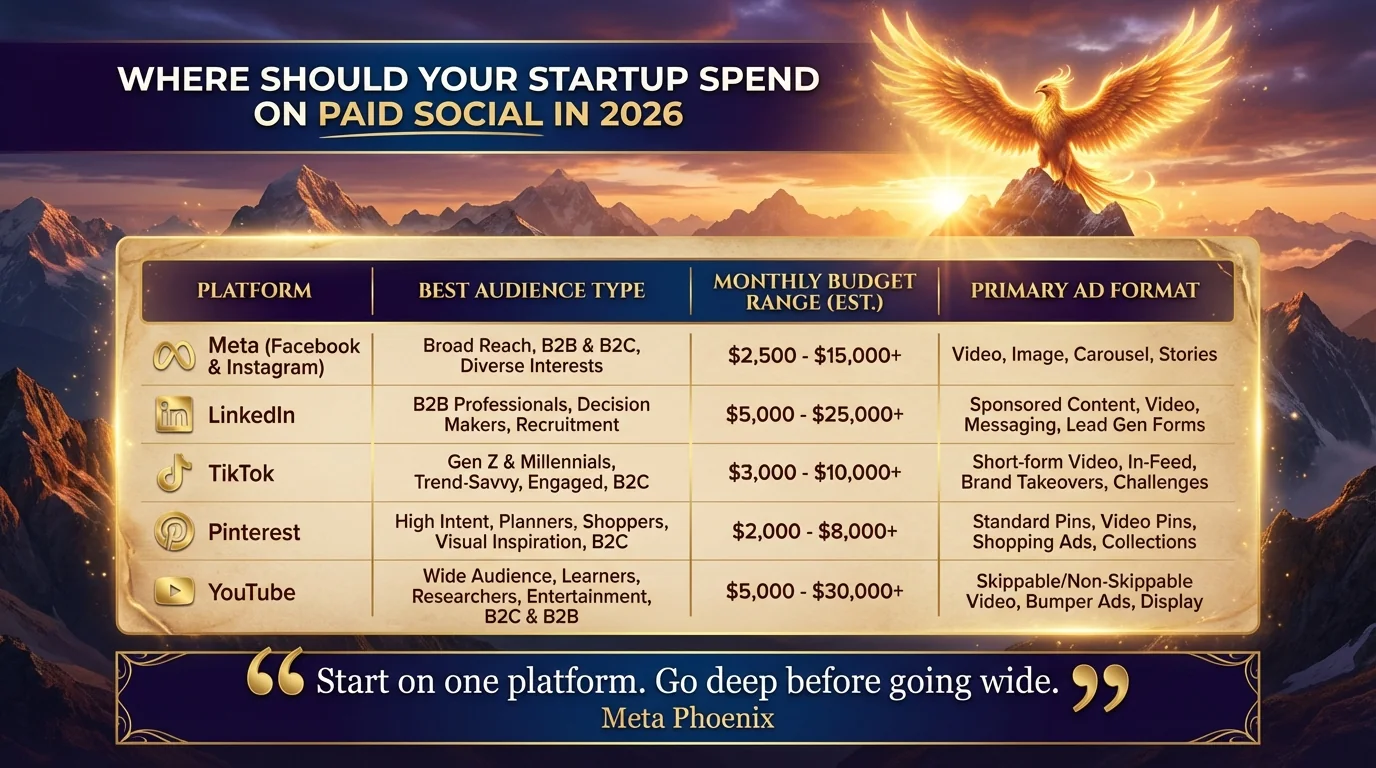
Not every platform deserves a piece of your startup’s budget, especially in the early stages. Spreading spend across five platforms simultaneously is one of the fastest ways to generate data noise with no actionable signal. The best paid social media strategies for new startups start on one or two platforms and go deep before going wide.
Here is a practical breakdown of where to focus in 2026 based on your business type:
Platform |
Best For |
Startup Budget Sweet Spot |
Primary Ad Format |
|---|---|---|---|
Meta (Facebook/Instagram) |
B2C, local services, e-commerce, events |
$500-$2,000/month |
Short video, carousel, lead ads |
B2B, professional services, SaaS |
$1,500-$5,000/month |
Lead gen forms, thought leadership |
|
TikTok |
Gen Z/Millennial audiences, consumer brands |
$500-$1,500/month |
Spark Ads, in-feed video |
Home, lifestyle, food, fashion |
$300-$1,000/month |
Shopping pins, idea ads |
|
YouTube |
High-consideration purchases, education |
$1,000-$3,000/month |
Pre-roll, skippable in-stream |
Our recommendation for most new startups is to begin with Meta for B2C or LinkedIn for B2B, validate your core offer with real buyer data, and only expand to additional platforms once your cost-per-lead is stable and predictable.
Best Paid Social Media Strategies for New Startups: Short-Form Video Is Non-Negotiable
In 2026, short-form video is not a trend. It is the dominant creative format across every major paid social platform, and startups that ignore it are leaving significant performance on the table. The algorithm rewards native-looking content, and nothing feels more native than a well-constructed 15-60 second video that speaks directly to a buyer’s specific problem.
The paid social strategies that consistently produce the strongest results for new startups combine authentic founder-led video with precise audience targeting. You do not need a production studio. You need a clear message, a specific audience, and a compelling reason for them to take the next step.
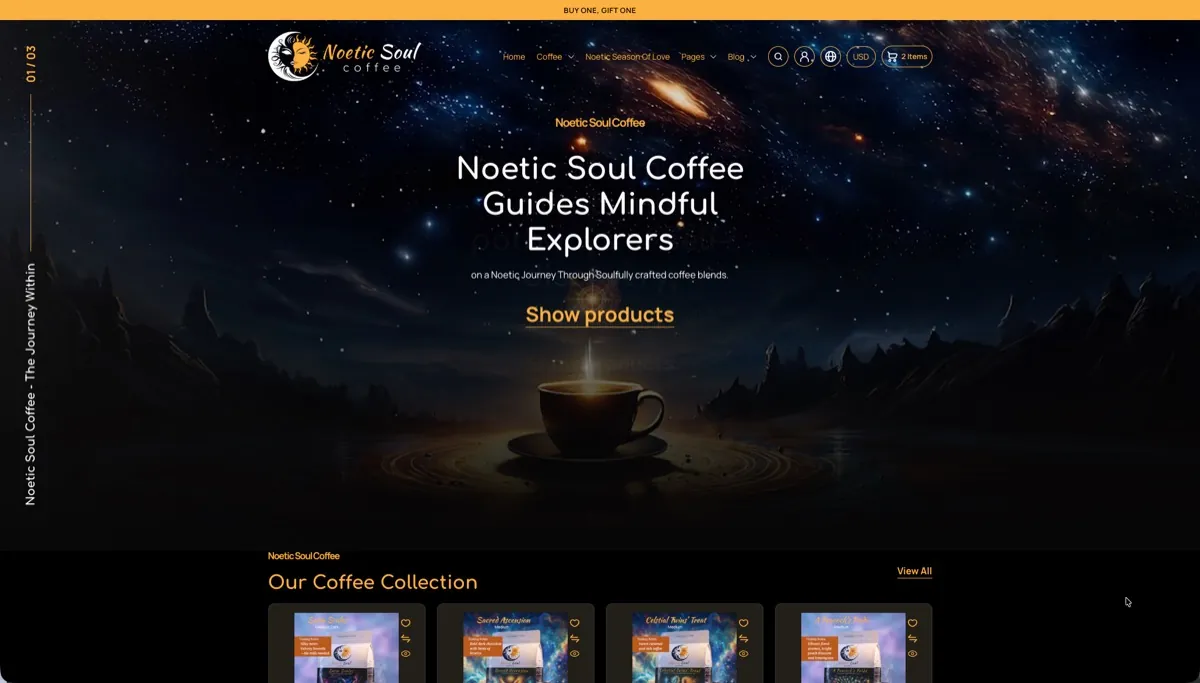
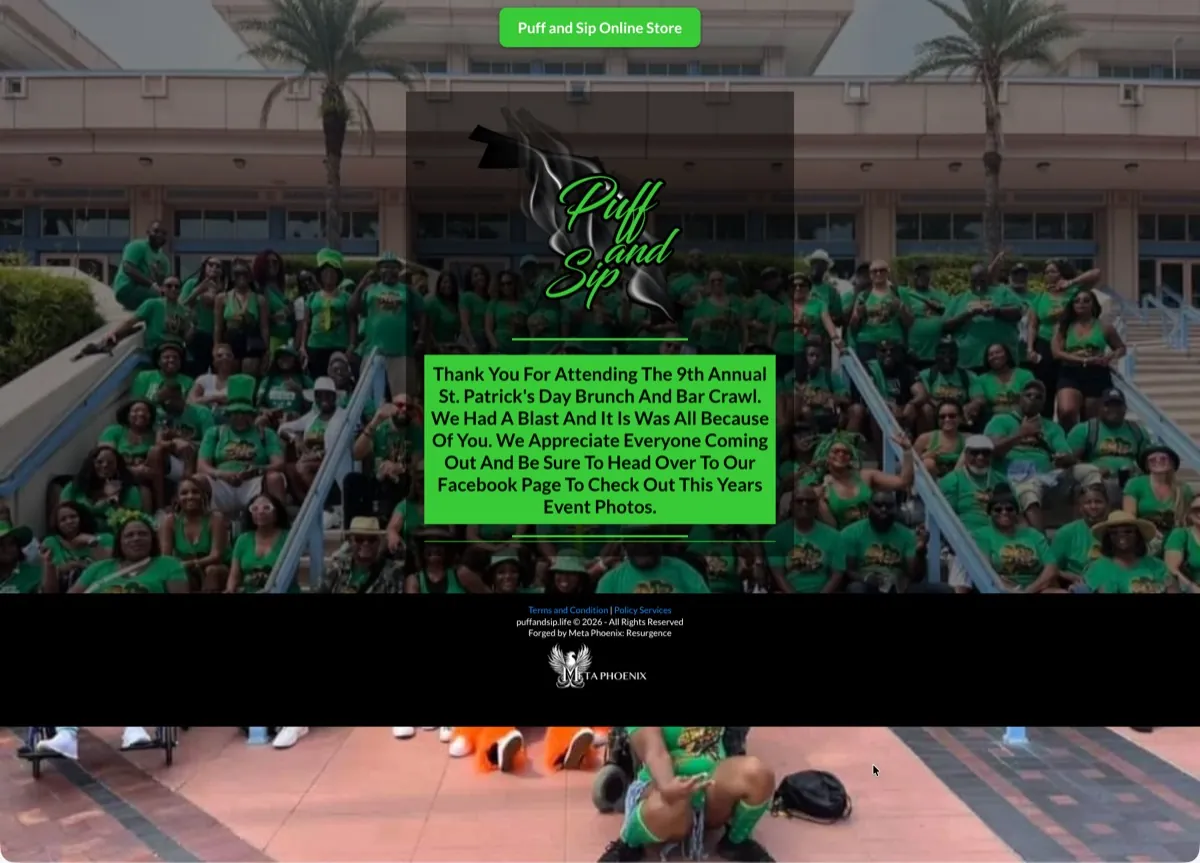
For example, Noetic Soul Coffee and Puff and Sip Events are two businesses that built their paid social presence using video-first creative paired with a structured go-to-market strategy. Both now run automated event and e-commerce platforms fueled by paid social campaigns that convert consistently because the creative, the audience, and the offer are all aligned.
Did You Know?
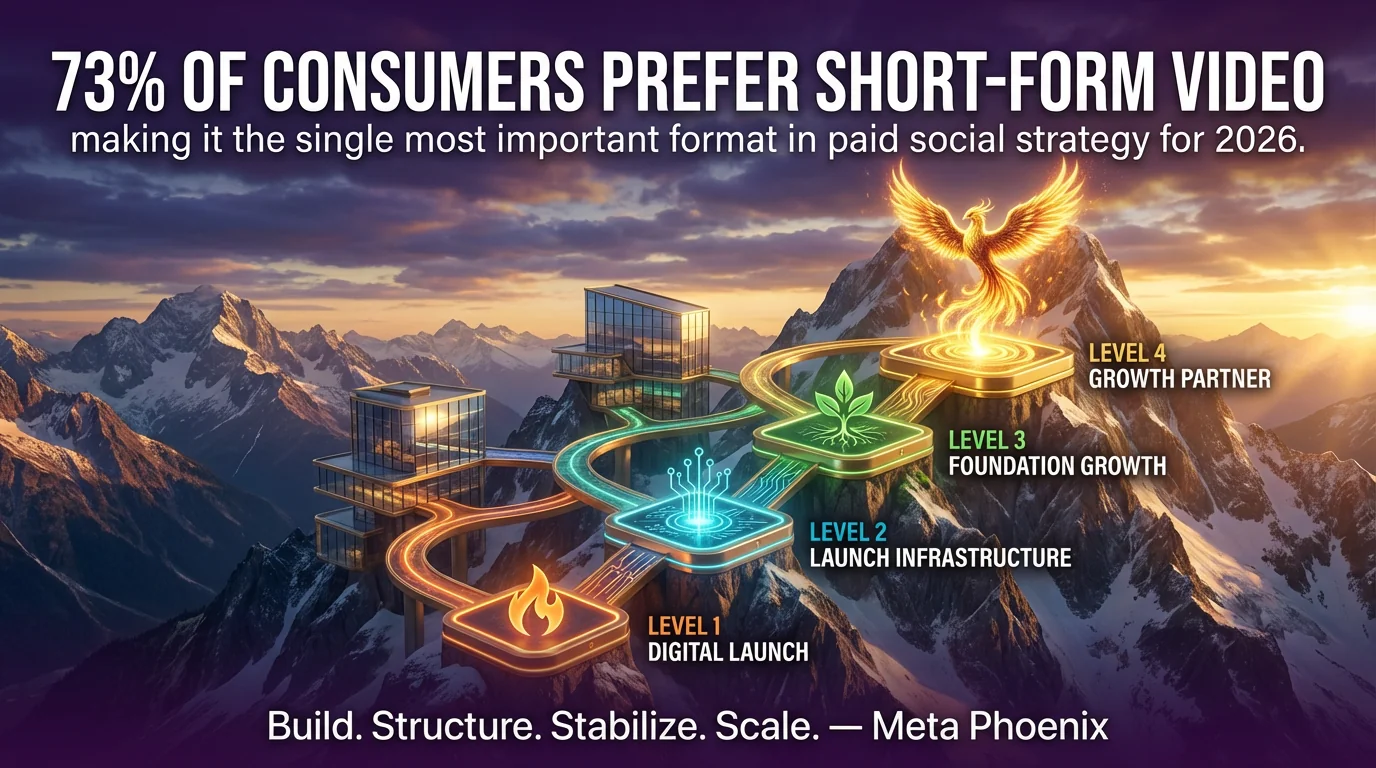
73% of consumers prefer watching short-form video to learn about a brand’s products or services — making it the single most important creative format in any startup’s paid social strategy in 2026.
Source: asiakol.com
Native Lead Capture vs. External Landing Pages: What the Data Says
One of the most overlooked decisions in paid social strategy is where you send your traffic after someone clicks. Many startups default to sending ad clicks to a website page, which adds friction, increases load time on mobile, and creates a jarring experience that kills conversions.
Native on-platform lead capture forms, specifically Facebook Lead Ads, Instagram Lead Ads, and LinkedIn Lead Gen Forms, pull user data directly from their existing platform profiles. The result is a dramatically lower barrier to conversion and a measurable improvement in lead quality and volume. For a new small business watching every dollar of ad spend, that 30-40% improvement in conversion rate can be the difference between a campaign that breaks even and one that generates real pipeline.
We build this consideration into the Launch Infrastructure stage for every client, ensuring that lead capture, CRM integration, and data feedback loops are ready before any paid campaign goes live.

The Growth Partner Approach: Structuring Paid Social for Scaleable Growth
Here is where most startup paid social strategies fall apart: they generate leads but have no system to handle, nurture, or convert them. Running paid ads without a CRM, a follow-up sequence, and a clear sales process is like turning on a faucet with no bucket underneath.
A growth partner brings the systems and strategic direction that turn paid social spend into a repeatable revenue engine. Rather than chasing vanity metrics like impressions and follower counts, a true growth partner focuses on pipeline value, cost-per-qualified-lead, and downstream conversion rates. These are the metrics that actually predict whether your startup will still be around in 18 months.
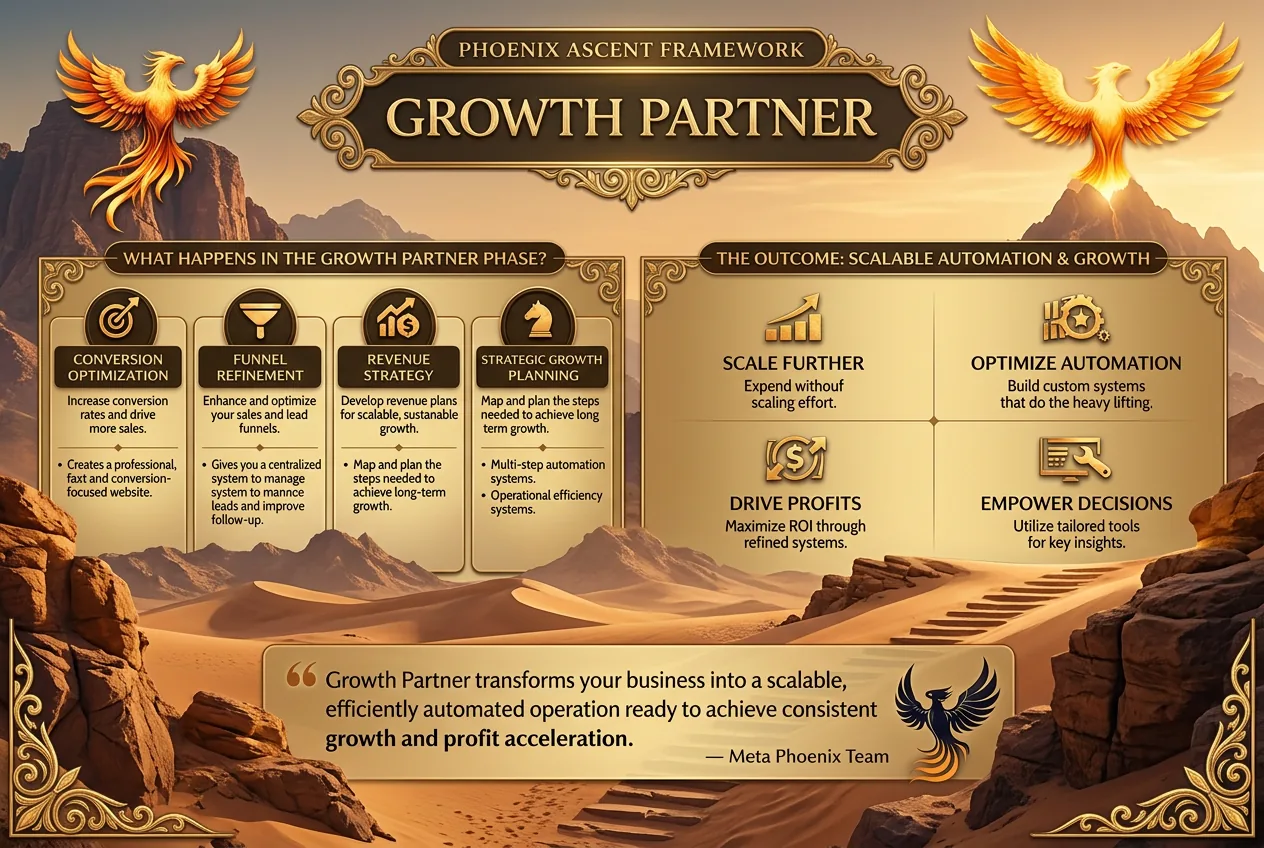
We have spent nearly 28 years, since 1997, helping businesses of all sizes build this kind of structured approach. Our Growth Partner stage is designed specifically for startups that have validated their offer and are ready to scale with dashboards, automation, and KPI-driven decisions that compound over time.
Scaleable Growth Through the Phoenix Ascent Framework
The Phoenix Ascent Framework is our proprietary four-stage methodology that guides startups from their first digital presence to a fully optimized, scaling paid social ecosystem. It removes the guesswork that causes most startups to waste their first 12 months and their first $10,000-$50,000 in ad spend.
Understanding how to scale a small business with paid social requires knowing which stage you are in and what the next stage requires from you. Here is how the framework maps to paid social strategy specifically:
Stage 1 - Digital Launch ($1,500 Build WITH You / $2,500-$3,000 Build For You): Website, mobile optimization, and go-to-market strategy. This is where your paid social targeting parameters and offer positioning are validated before spend begins.
Stage 2 - Launch Infrastructure ($3,500-$8,000): CRM integration, lead capture systems, automation basics, and aligned messaging. Your paid social funnel gets its plumbing here.
Stage 3 - Foundation Growth ($1,500/month): 90-day paid social direction, KPI tracking, weekly campaign refinements, and consistent momentum building across your chosen platforms.
Stage 4 - Growth Partner ($2,000/month+): Strategic scaling with dashboards, advanced automation, retargeting architecture, and cross-platform expansion when data justifies it.
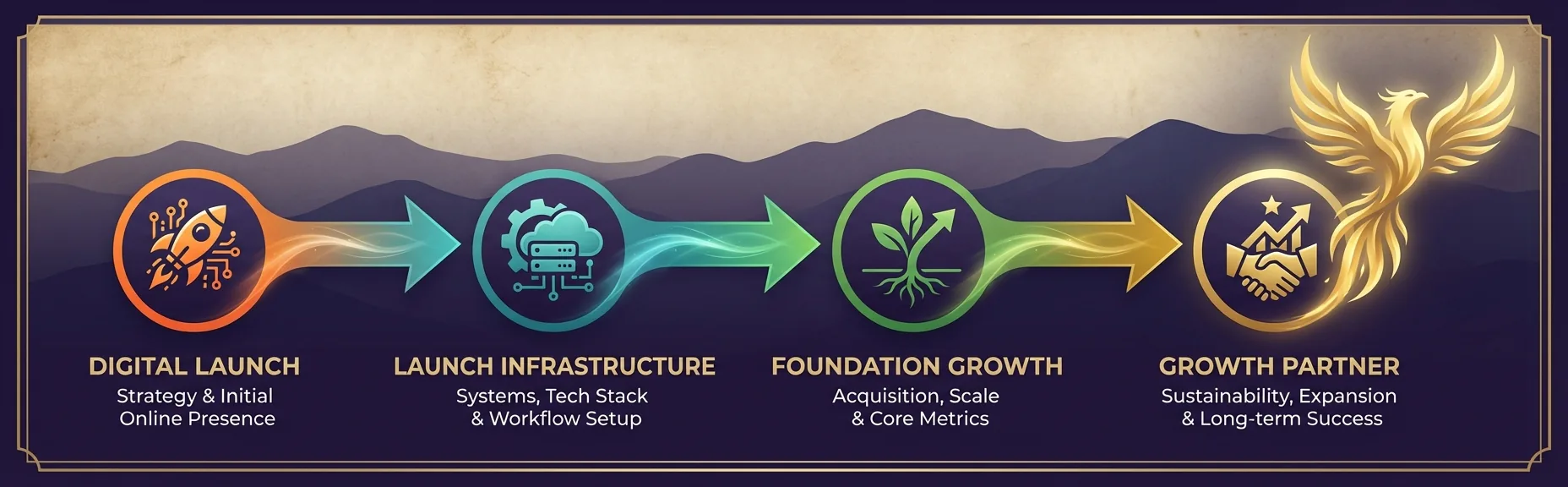
The path is Build, Structure, Stabilize, and Scale. Every paid social dollar spent inside this framework has a defined purpose and a measurable outcome tied to a specific stage objective.
Real-World Results: Best Paid Social Media Strategies for New Startups in Action
Strategy without proof is just theory. Power Bay Cleaning Service is one of the most instructive examples of what happens when a small business follows a structured paid social approach from the ground up. Starting with a Digital Launch, moving through infrastructure build, and graduating to a full Foundation Growth engagement, Power Bay went from invisible online to a fully automated lead pipeline driven by paid social campaigns targeting local residential buyers.
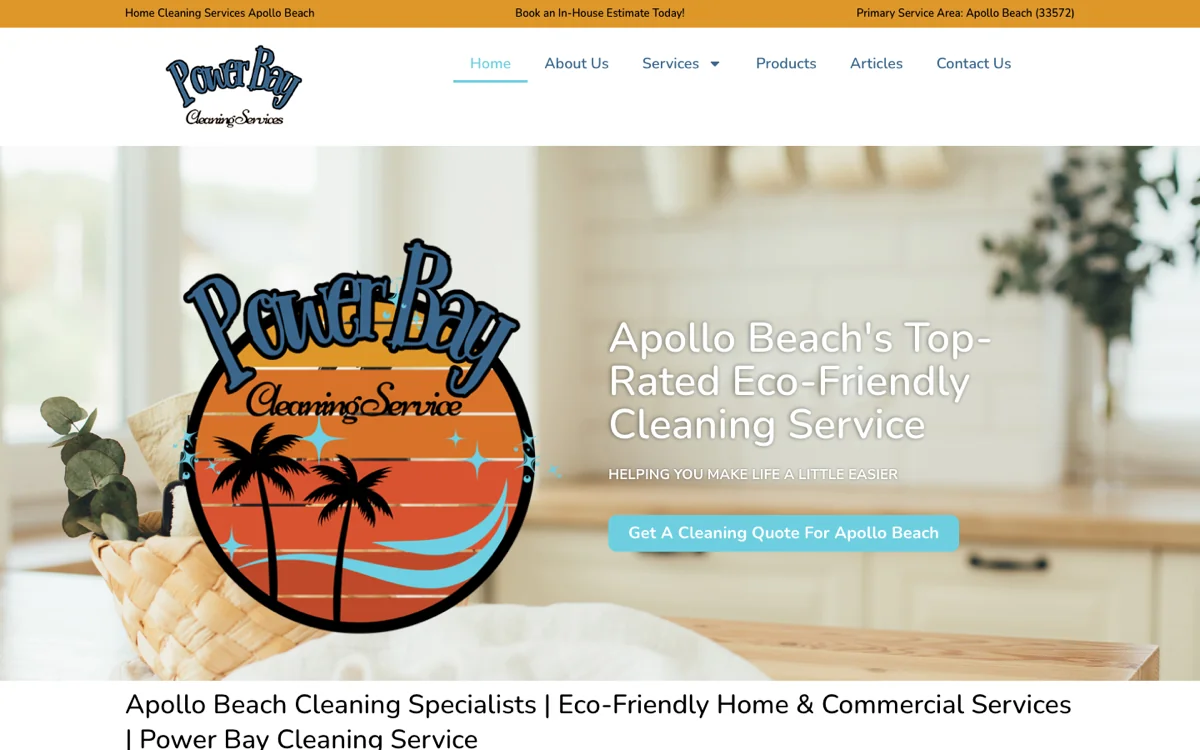
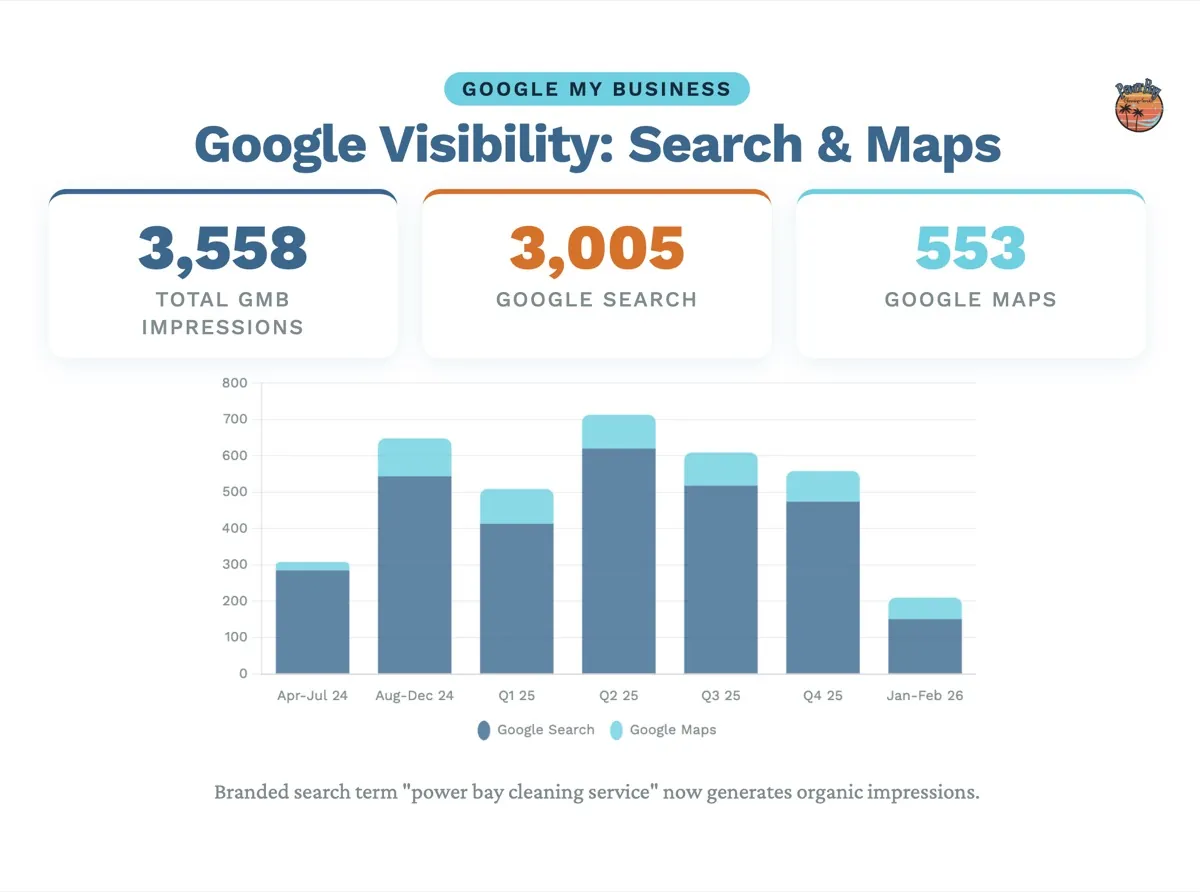
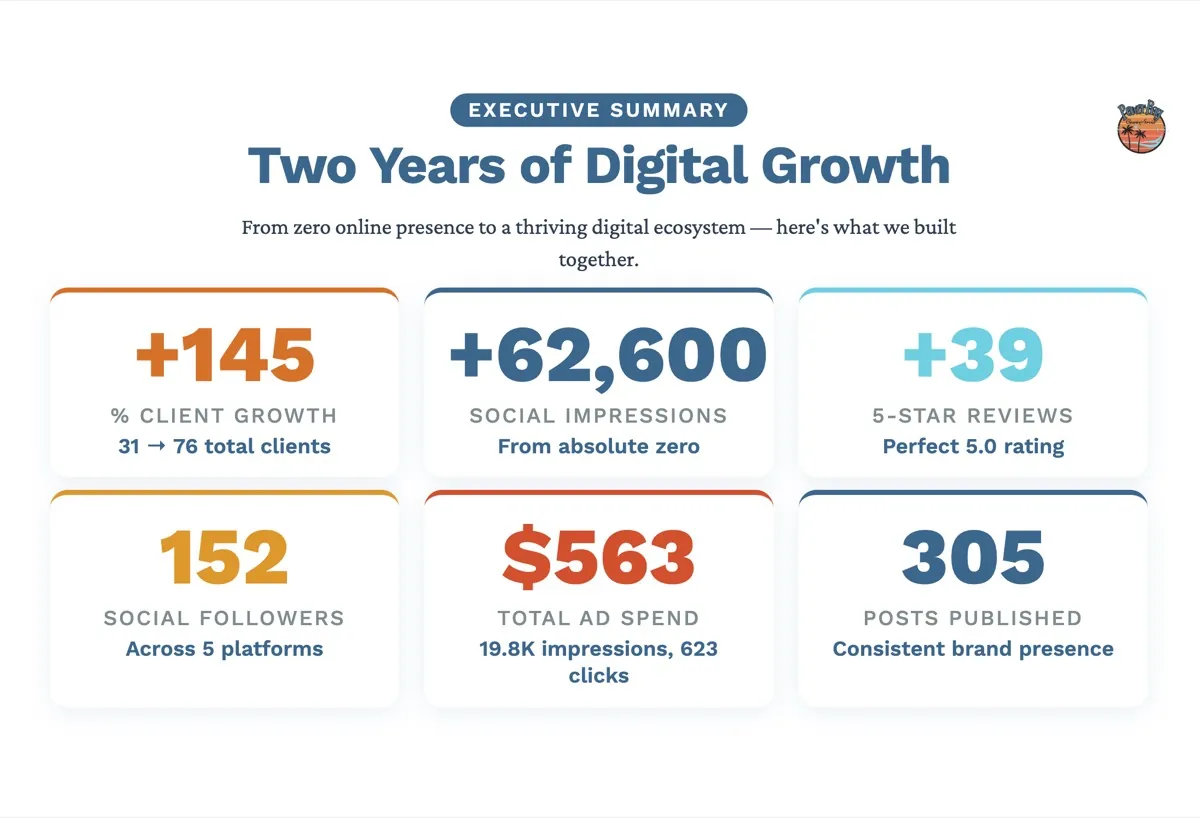
The results were not accidental. They were the product of a structured growth partner relationship where strategy, creative, targeting, and systems all moved together in the same direction at the same time.
Did You Know?
Businesses using native on-platform lead capture (Facebook/Instagram/LinkedIn forms) see 30-40% better conversion rates compared to driving traffic to a website — a critical advantage for new startups managing tight ad budgets.
Source: Exposure Ninja
Paid Social Budgeting for New Startups: Where to Start and How to Scale
One of the most common questions we get from startups entering paid social for the first time is how much to spend. The honest answer is that the amount matters far less than the structure around how it is spent. A startup spending $500 per month with proper CRM integration, clear conversion tracking, and a tested creative will consistently outperform one spending $5,000 with no systems in place.
Our recommended approach for most early-stage startups is to allocate the first 60 days entirely to testing. This means running two to three ad variations, testing different audience segments, and measuring cost-per-lead rather than cost-per-click. Once you have a winning combination of audience, creative, and offer, that is when you scale the spend with confidence.
“The biggest mistake new startups make is scaling spend before scaling proof. Validate the offer, validate the audience, and validate the conversion path. Then put your foot on the gas.”
Our scaleable growth framework at Meta Phoenix is built on this exact principle: Build, then Structure, then Scale. We do not let startups skip steps because skipped steps are what create the gaps that eventually sink promising businesses.
Founder-Led Content and Authenticity in Paid Campaigns
In 2026, audiences are sharper than ever at identifying generic corporate advertising. What consistently breaks through is content that feels real, personal, and direct. For new startups, this is actually a competitive advantage: you have access to the most authentic spokesperson possible, the founder.
Paid campaigns that feature founder-led video, behind-the-scenes content, and genuine customer testimonials are delivering measurably stronger engagement and lower cost-per-acquisition across Meta, LinkedIn, and TikTok. This is not just because authenticity feels better. It is because the platforms actively reward it with better delivery and lower CPMs.
Our social media management services integrate paid and organic strategies so that founder-led content amplified through paid distribution creates a compounding effect. Each campaign builds credibility while simultaneously generating direct response.
Retargeting: The Best Paid Social Strategy Most Startups Ignore
Retargeting is where many of the best paid social media strategies for new startups generate their highest ROI. The logic is simple: someone who has already visited your website, engaged with your content, or watched a percentage of your video is a dramatically warmer prospect than a cold audience member seeing you for the first time.
For a new small business, retargeting pools are small in the early days. That is why the first 60-90 days of paid social should focus on building the audiences that will make retargeting powerful in months three through six. This is a deliberate, staged approach that mirrors the Phoenix Ascent Framework’s Build-Structure-Stabilize-Scale sequence at the campaign level.
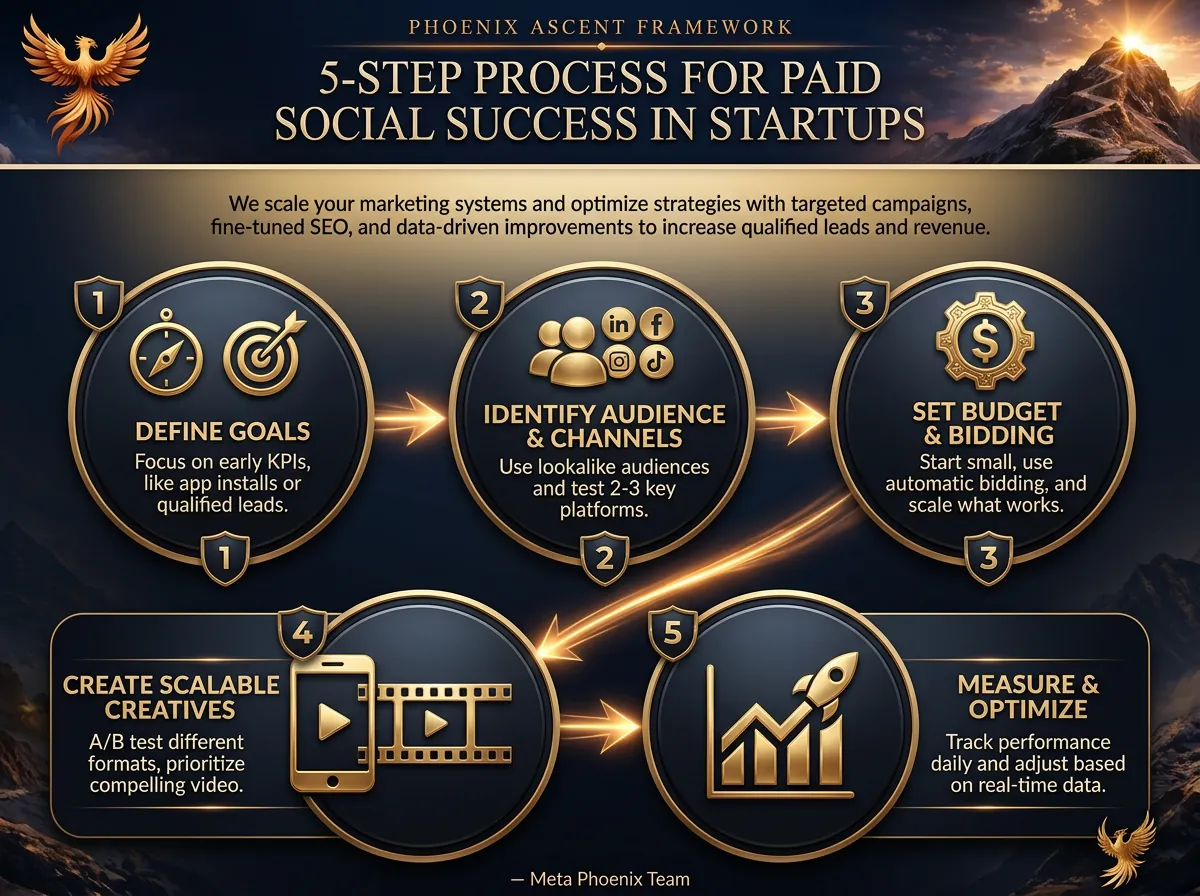
This infographic outlines a practical 5-step framework for paid social success tailored to new startups. Use these strategies to optimize budgets and boost ROI across channels.
Foundation Growth: The Stage Where Paid Social Starts to Compound
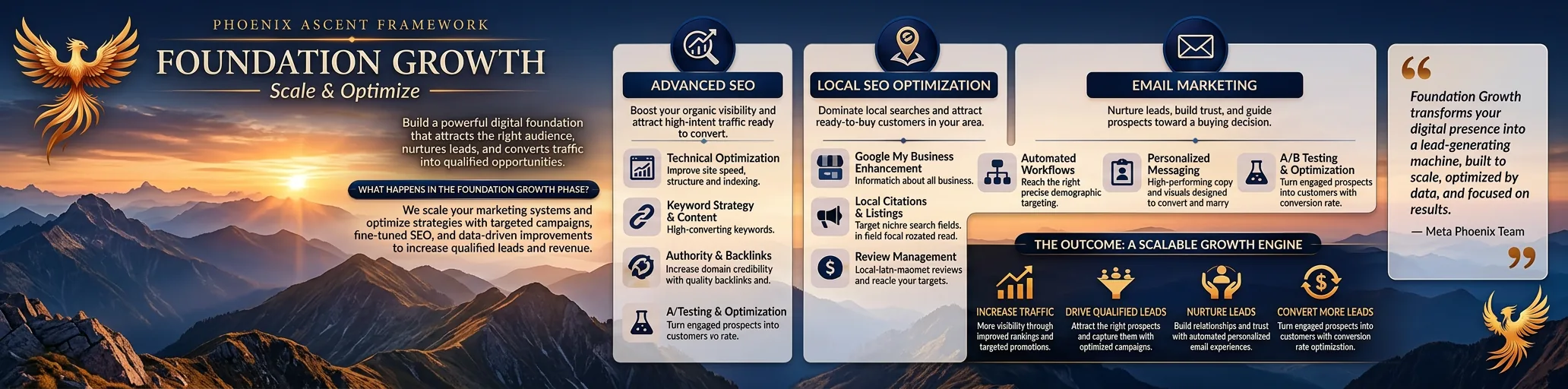
The Foundation Growth stage is where paid social stops being an experiment and starts becoming a system. At $1,500 per month, this engagement includes 90-day strategic direction, weekly campaign refinements, and KPI tracking that tells you exactly what is working and why.
This is the stage where startups begin achieving scaleable growth because their paid social data is feeding back into their broader marketing and sales systems. The CRM knows which campaigns generate the highest-quality leads. The ad account knows which audiences convert fastest. The result is a feedback loop that gets more efficient every single month.
We walk the walk here. With a 98.7% client satisfaction rate and a 5-minute average response time for client communications, we are not the agency that disappears after the onboarding call. We are the partner that is in the data with you every week, refining what works and cutting what does not.
Conclusion: The Best Paid Social Media Strategies for New Startups Are Built, Not Bought
The best paid social media strategies for new startups in 2026 share one defining characteristic: they are built on structure, not impulse. Platform choice, creative format, budget allocation, lead capture setup, CRM integration, and retargeting architecture all need to work together as a system before scale becomes possible.
For a new small business, the path to paid social success is not about finding the magic ad format or the perfect audience. It is about building the foundation that makes every dollar of ad spend more intelligent than the last. That is exactly what a structured growth partner relationship is designed to deliver.
We built the Phoenix Ascent Framework specifically to guide startups through this process with no wasted steps and no guesswork. We do not just talk about scaleable growth. We roll up our sleeves and build it alongside you, from Digital Launch through to a fully optimized Growth Partner engagement. And because we believe in our results, we do not ask you to pay until we deliver the first high-quality lead that converts.
If you are ready to stop guessing and start ascending, explore our growth investment options or schedule your Growth Assessment today. The runway is ready. It is time to fly.
Frequently Asked Questions
The most effective approach is to start on one platform (Meta for B2C, LinkedIn for B2B), run a structured testing phase with $500-$1,000 per month, use native lead capture forms to maximize conversion rates, and ensure a CRM is in place before spending a dollar. The best paid social media strategies for new startups prioritize structure over spend volume in the early stages.
With the right foundation in place, most startups see initial qualified lead flow within 30-60 days of launching structured paid campaigns. Consistent, compounding results typically emerge in months three through six once retargeting audiences are built and creative testing has identified winning combinations.
Yes, especially for startups without an in-house marketing team. A growth partner brings strategic direction, systems integration, and data interpretation that prevent the most common and costly mistakes. In 2026, with AI-driven platforms changing rapidly, having an experienced partner managing your paid social strategy significantly improves ROI outcomes.
Short-form video is the highest-performing format across Meta, TikTok, LinkedIn, and YouTube in 2026. Founder-led, authentic video content consistently outperforms polished brand advertising for new startups because it builds trust faster and tends to receive better platform delivery at lower cost.
Scaleable growth from paid social requires a four-part system: a validated offer, a functioning lead capture and CRM infrastructure, a tested creative and audience combination, and a feedback loop that improves campaign performance over time. Startups that follow a structured framework like the Phoenix Ascent Framework achieve scaleable growth significantly faster than those running ad hoc campaigns.
For most new startups, native Facebook or Instagram Lead Ads outperform external landing pages by 30-40% in conversion rate because they eliminate friction and leverage pre-filled user data. External landing pages make more sense once you have optimized page load speeds, clear conversion paths, and sufficient traffic to run meaningful A/B tests.
The most important metrics for new startups are cost-per-qualified-lead (not just cost-per-lead), lead-to-opportunity conversion rate, and pipeline value generated per dollar spent. Vanity metrics like impressions, reach, and follower growth are interesting but should never drive budget allocation decisions. Focus on the numbers that directly connect to revenue.