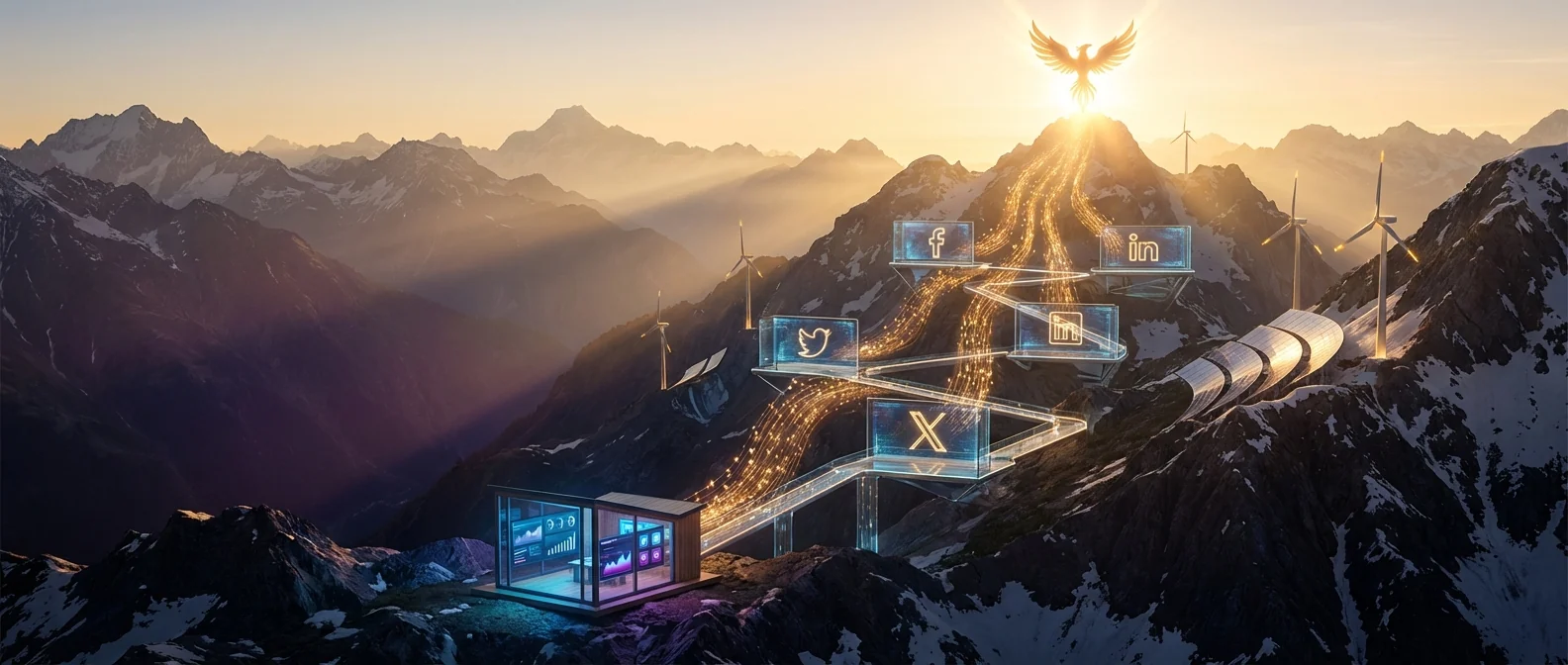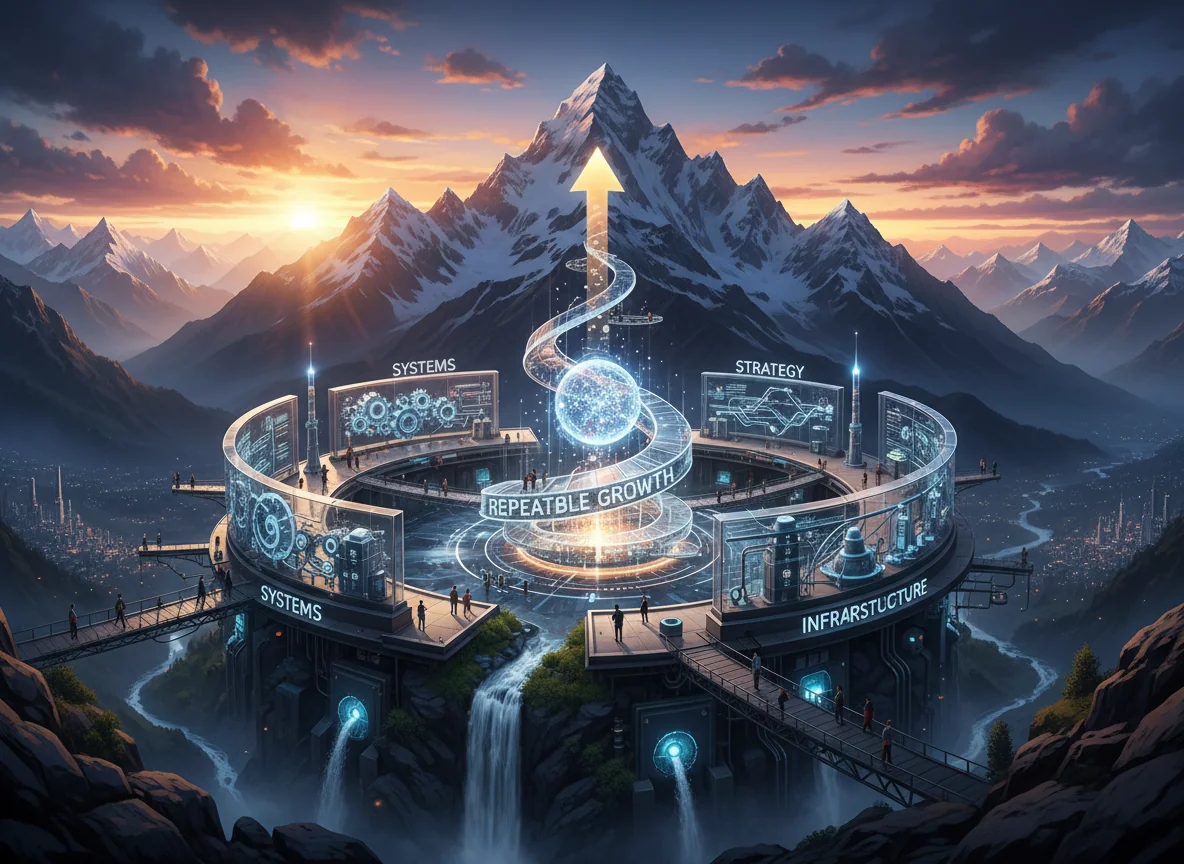
If you want to know how to build a high converting sales funnel, you are in the right place — and the stakes are higher than most business owners realize. Companies that excel at lead nurturing generate 50% more sales-ready leads at a 33% lower cost per lead, which means the difference between a funnel that works and one that doesn’t isn’t just revenue — it’s the entire trajectory of your business. For any small business trying to grow in 2026, building a structured, intentional funnel is no longer optional.
Key Takeaways
Question |
Answer |
|---|---|
What is a high converting sales funnel? |
A structured system that guides a prospect from first awareness through to a buying decision, with each stage designed to reduce friction and increase intent. |
How many stages does a sales funnel have? |
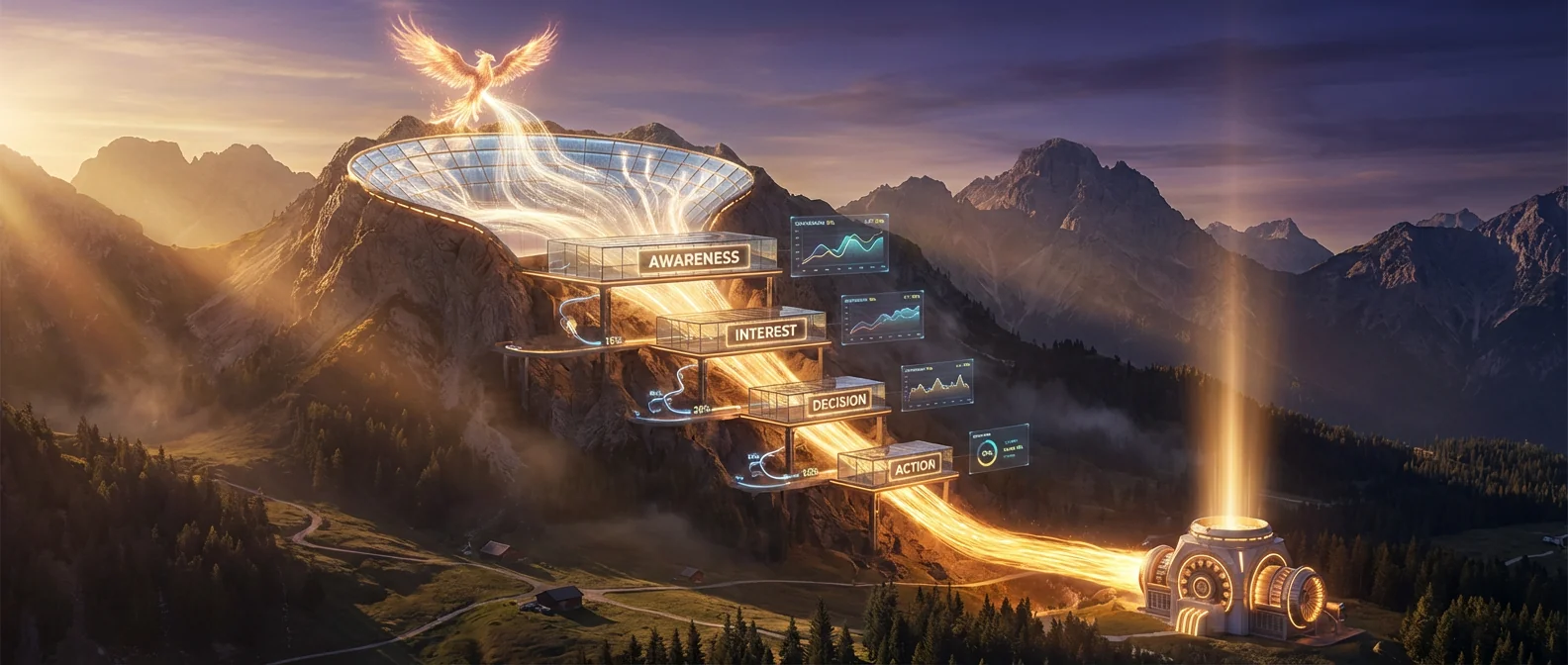
Most high-performing funnels operate across four core stages: Awareness, Interest, Decision, and Action — mirroring the Phoenix Ascent Framework stages we use. |
What is the average conversion rate for a sales funnel? |
The median landing page conversion rate is 6.6%, but well-optimized funnels in the right industries can exceed 12%. |
Do small businesses need a sales funnel? |
Absolutely. A sales funnel gives a small business a repeatable, predictable way to acquire clients without relying on word of mouth or inconsistent outreach. |
What makes a funnel “high converting”? |
Focused CTAs, strong lead nurturing, relevant messaging at each stage, and continuous optimization based on real performance data. |
Can I build a sales funnel without paid ads? |
Yes. Organic traffic, email sequences, and consistent content can power a high converting sales funnel — paid ads simply accelerate what’s already working. |
What role does a growth partner play in funnel building? |
A growth partner helps you build, optimize, and scale your funnel as an embedded strategic collaborator — not just a vendor delivering deliverables. |
What Is a High Converting Sales Funnel (and Why Most Get It Wrong)
A sales funnel is the journey your prospect takes from not knowing you exist to becoming a paying client. Every business has one, whether they built it intentionally or not.
The problem is that most businesses, especially at the small business level, have funnels full of gaps. They have a decent website but no follow-up sequence. They run ads but send traffic to a generic homepage. They capture a lead and then never contact them again.
Building a high converting sales funnel means being deliberate about every stage of that journey. It means knowing exactly what you want the prospect to do next at every point, and designing the experience to make that next step as obvious and frictionless as possible.
In 2026, the businesses winning with funnels are the ones treating it as a system, not a single tactic.

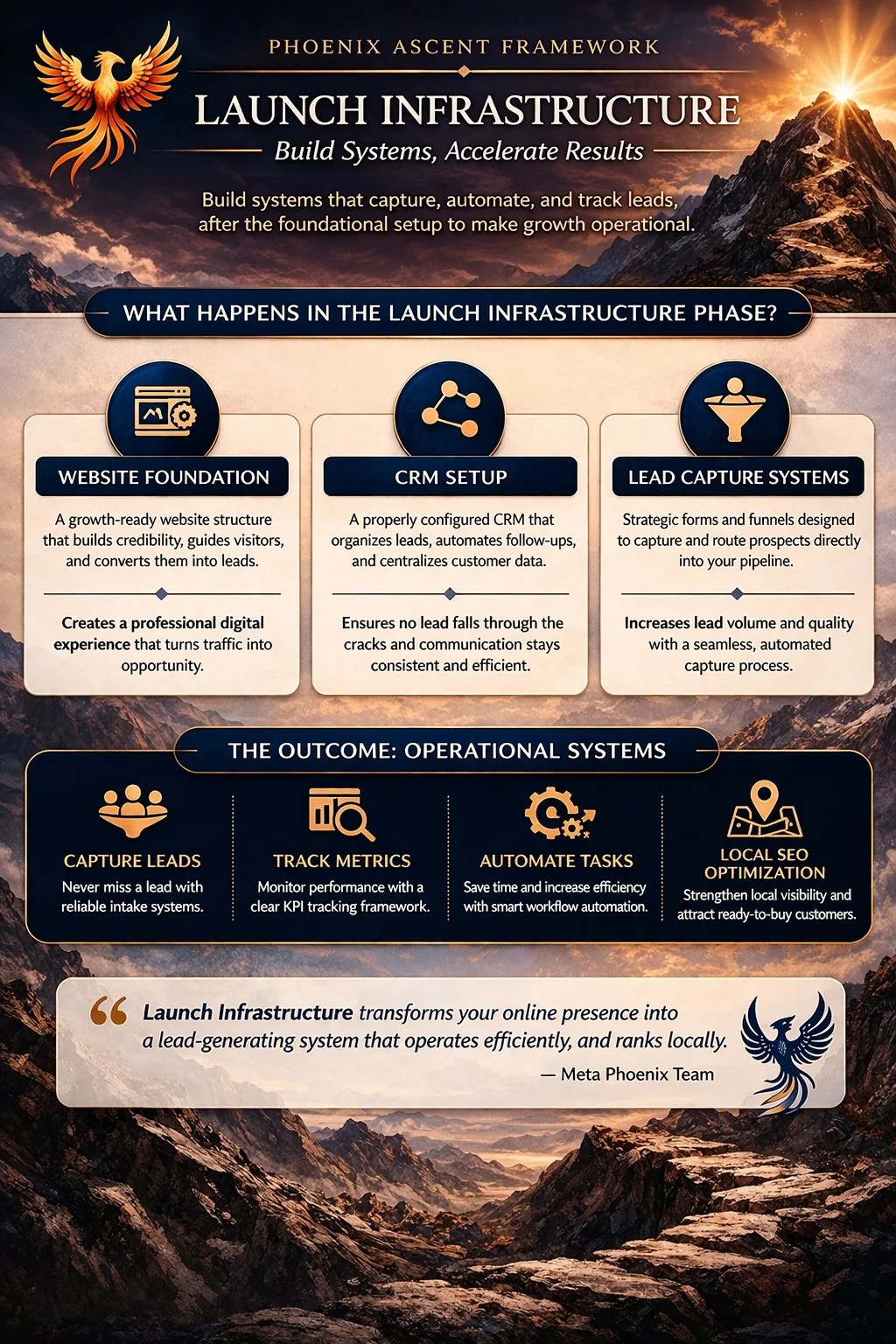
A visual guide to the 4-stage high-converting sales funnel. Learn how to move prospects from awareness to action with a clear, repeatable process.
Stage 1: How to Build a High Converting Sales Funnel Starting Point (Digital Launch)
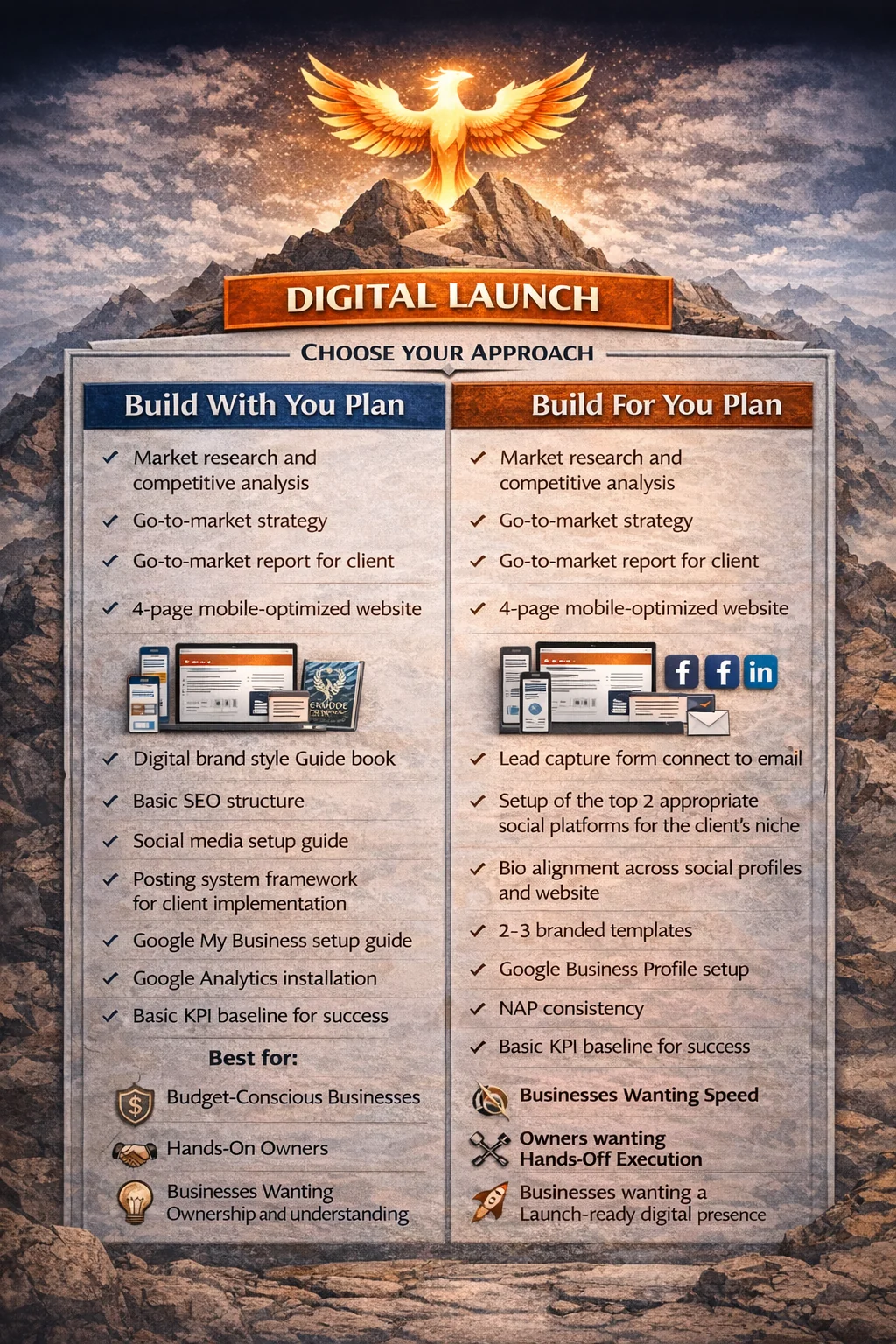
You cannot convert traffic you cannot capture. Before any funnel strategy matters, your business needs a credible, conversion-ready digital presence.
This is what we call the Digital Launch stage — the foundation layer of how to build a high converting sales funnel. It covers four non-negotiable elements:
A professional, mobile-optimized website with clear messaging and a defined purpose on every page
Lead capture infrastructure — forms, CTAs, and contact points that actually work
A go-to-market strategy that defines who you’re targeting and what problem you solve for them
Basic analytics so you can measure what’s happening from day one
Most small businesses skip this stage or rush through it, then wonder why their ads and outreach aren’t converting. The truth is that a weak digital presence kills conversions before the funnel even starts.
Single-goal landing pages with one focused CTA achieve conversion rates of 13.5%, compared to 10.5% for pages with multiple competing offers. That alone tells you everything about how to set up your top-of-funnel pages.
Stage 2: Building the Infrastructure Behind a High Converting Sales Funnel
Once your digital presence is in place, the next layer is systems. This is where most small businesses leak the most revenue — not from a lack of leads, but from a lack of process to handle those leads once they arrive.
The Launch Infrastructure stage focuses on connecting your tools into a working system:
CRM setup — so every lead is captured, tagged, and tracked
Automated workflows — so the follow-up happens even when you’re not watching
Integrated website and booking systems — so the path from interest to conversation is seamless
Defined pipelines — so you know exactly where every prospect sits in the funnel at any given time
Without this infrastructure, a high converting sales funnel is just a concept. With it, your business can operate with real consistency, even as volume grows.
Did You Know?
Including video content on a landing page can boost conversion rates by 80% or more — making it one of the highest-leverage additions you can make to a high converting sales funnel.
Stage 3: Nurturing Leads for Scaleable Growth Through Your Funnel
Getting a lead into your funnel is only the beginning. The businesses that build genuinely scaleable growth are the ones that nurture those leads with precision, not just volume.
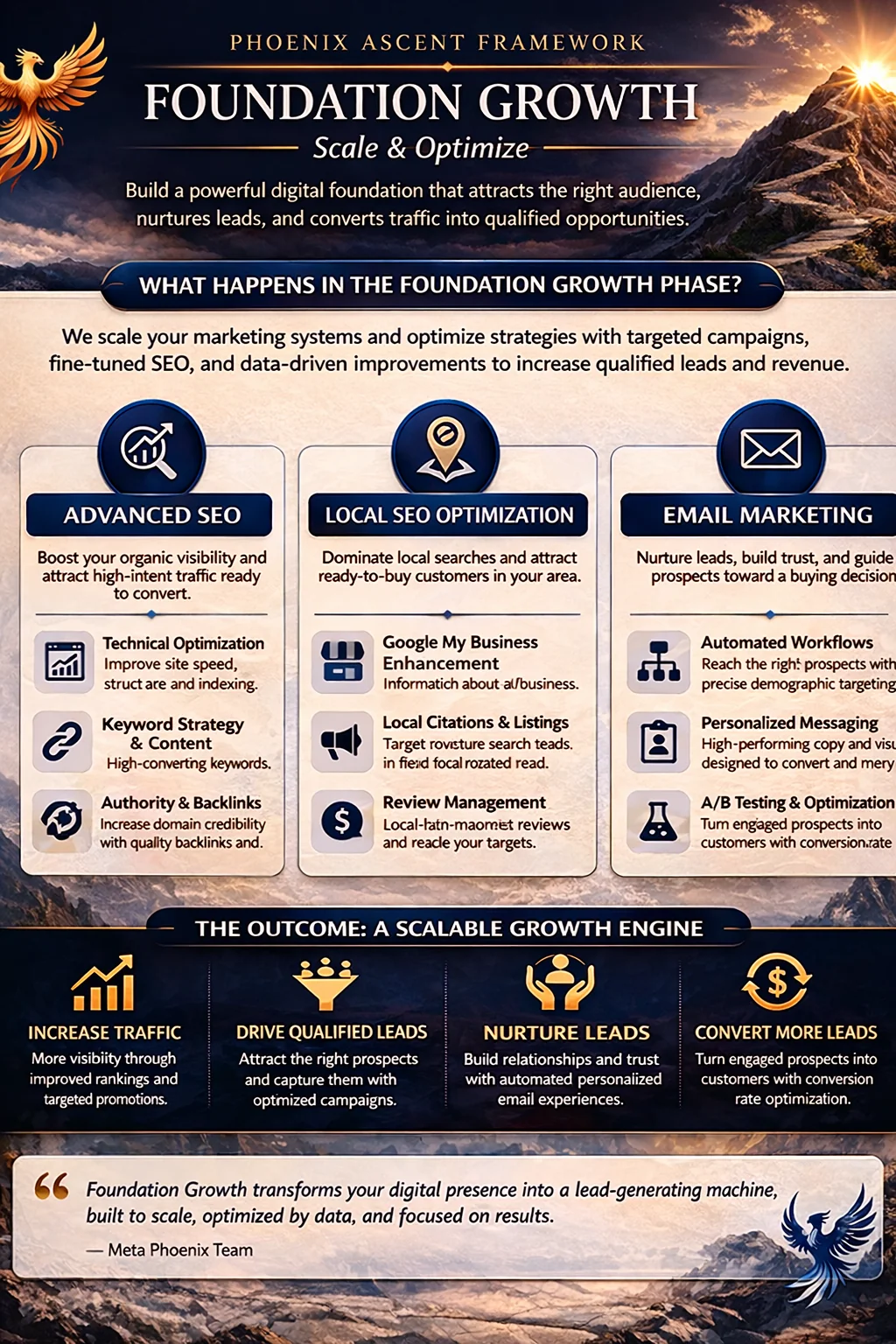
Lead nurturing is the middle of your funnel — the stage where you build enough trust and relevance that the prospect moves from “interested” to “ready to buy.” This requires:
Segmented email sequences that speak to where the prospect is in their journey, not a generic broadcast to your whole list
Retargeting content that keeps your brand present without being intrusive
Value-first content — educational articles, case studies, and useful resources that demonstrate your capability before asking for anything
Clear conversion triggers — specific actions you want the prospect to take at each nurture stage, such as booking a call or downloading a guide
This is also where a structured approach to how to build a high converting sales funnel pays off most visibly. When you have defined nurture stages and clear next steps, you stop relying on luck and start driving predictable outcomes.
For more detail on how to approach scaleable growth as a system rather than a sprint, read our guide on how to scale a small business with structure and strategy.
Stage 4: How a Growth Partner Helps You Build and Scale a High Converting Sales Funnel
The final stage of a well-structured funnel isn’t just about closing more deals. It’s about building the strategic layer that optimizes everything underneath it and opens up new growth channels as you scale.
This is where working with a growth partner becomes genuinely valuable. A growth partner isn’t a freelancer you brief and forget. They sit inside your business’s strategy, track your funnel performance through real dashboards, identify the bottlenecks, and execute the changes needed to keep conversion rates moving in the right direction.
The difference between a growth partner and a standard agency is that a partner is invested in your outcomes. Their focus is on your numbers, not just their deliverables.
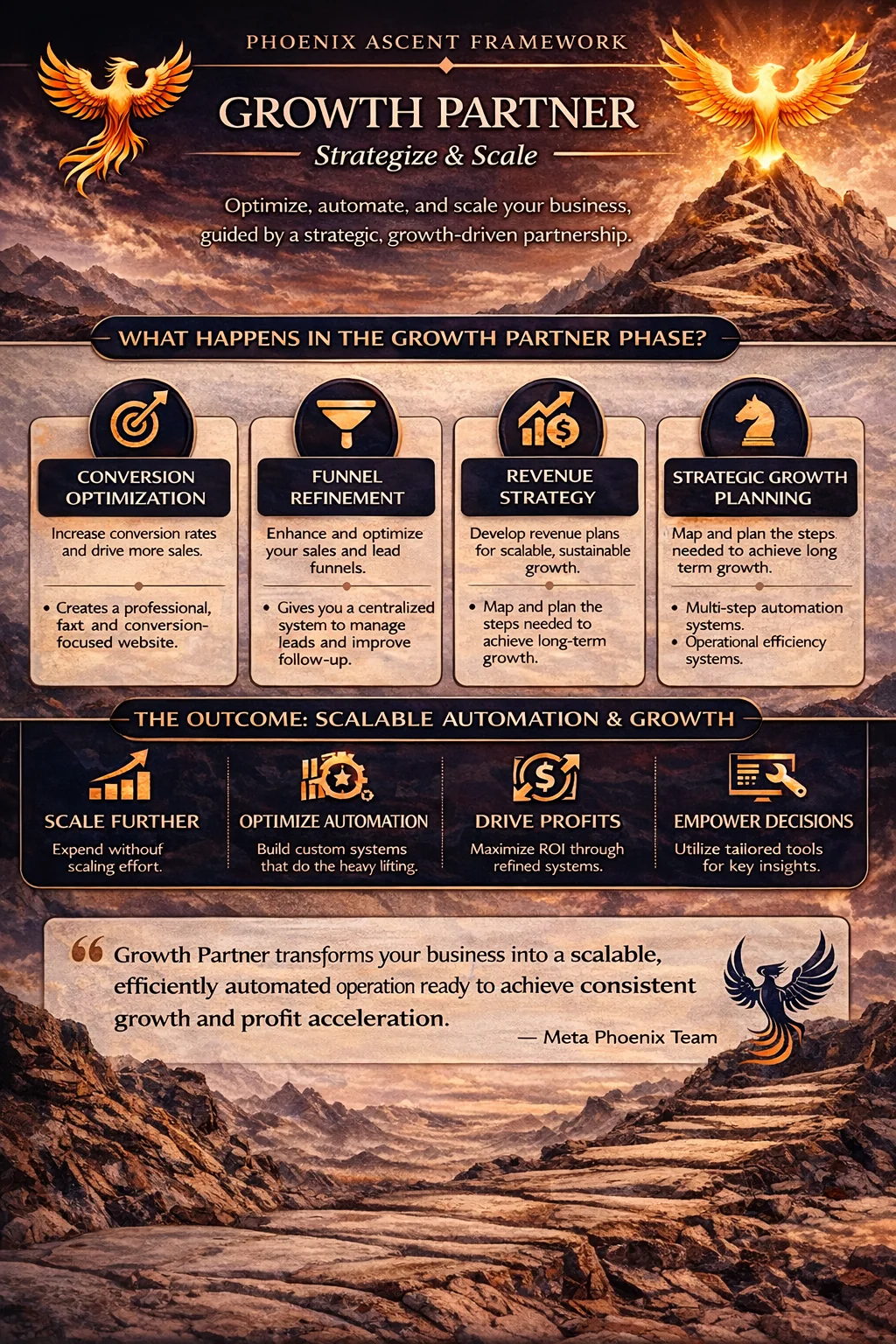
At this stage, your high converting sales funnel moves from being a tool you set up once to a living system that gets smarter and more efficient over time. This is what true scaleable growth looks like in practice.
Real-World Example: How a Small Business Built a High Converting Sales Funnel
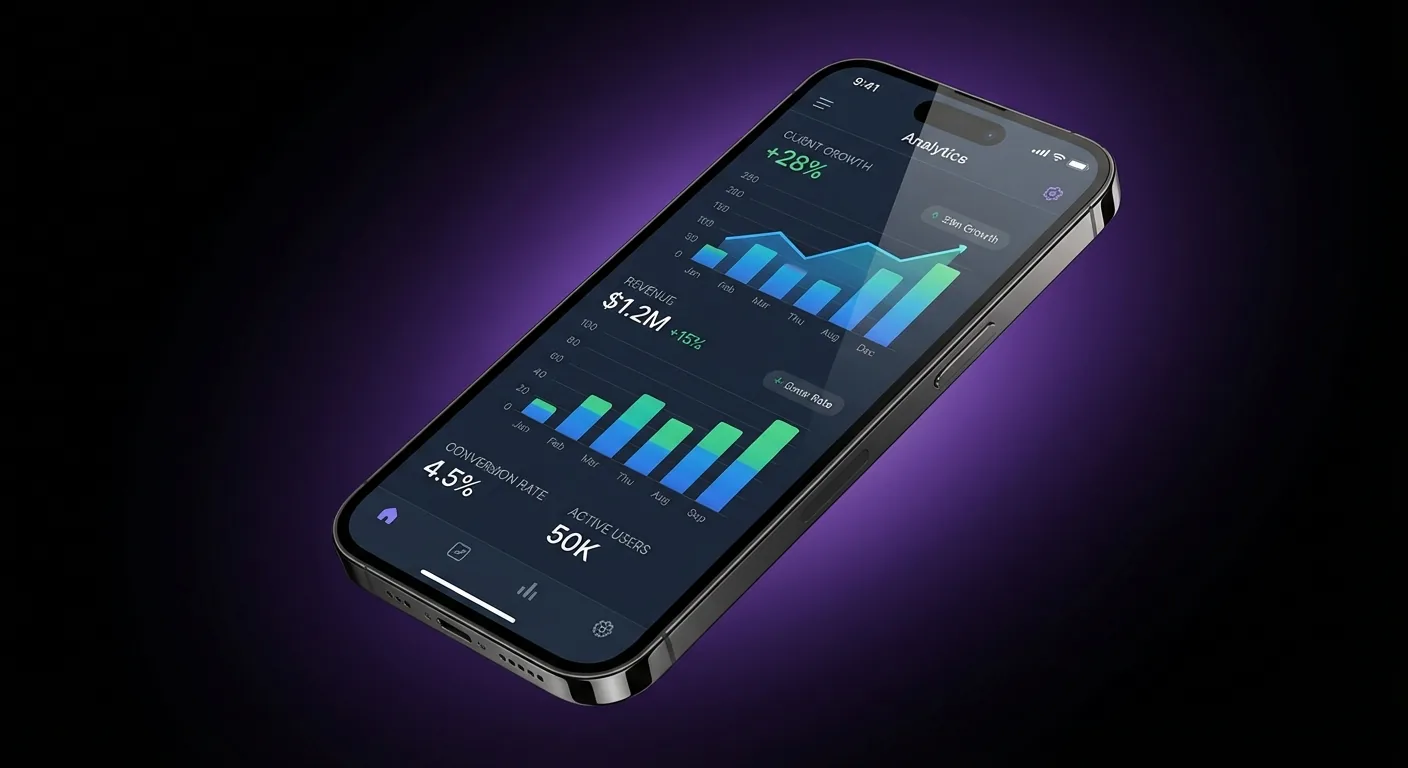
Power Bay Cleaning Service started with 31 clients and no meaningful online presence. By working through each stage of a structured funnel build, they reached 76 active clients — a 145% increase — with just $563 in total ad spend and over 62,600 impressions generated.
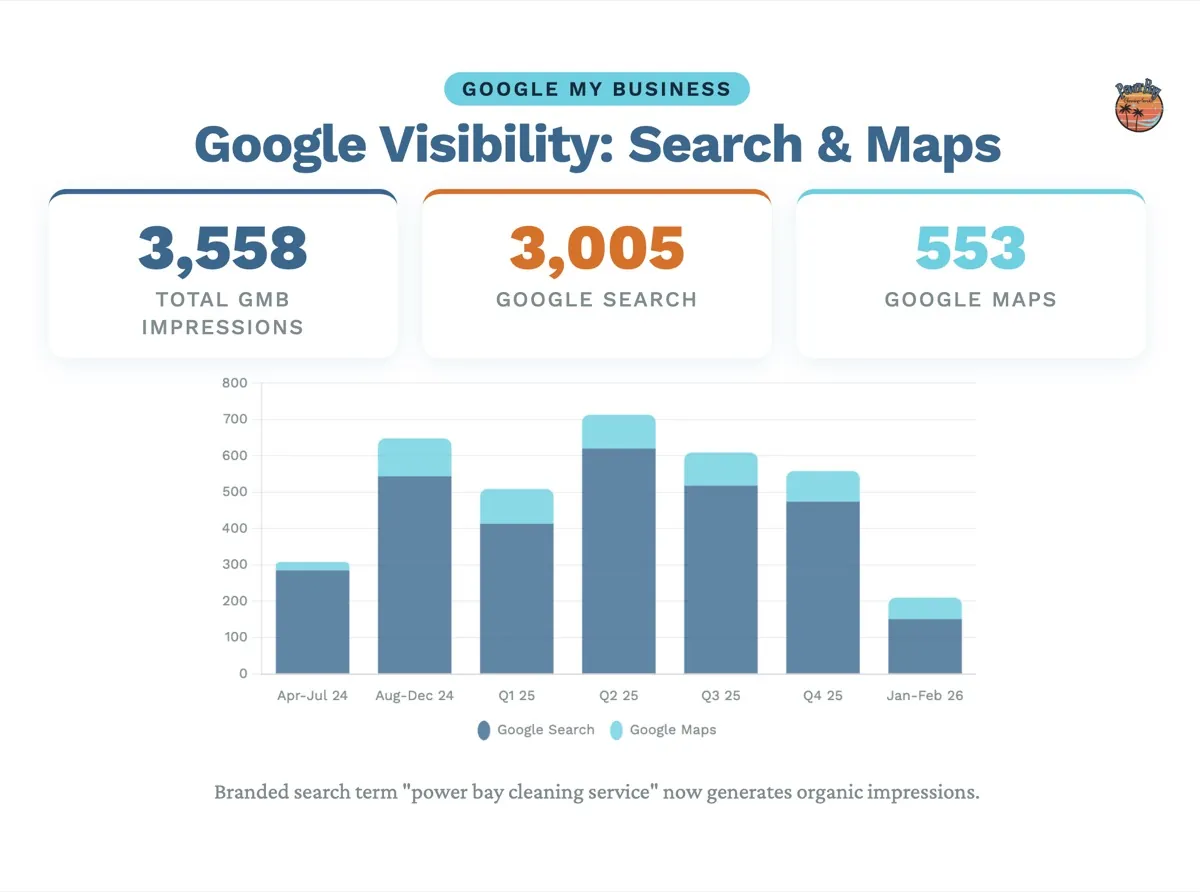
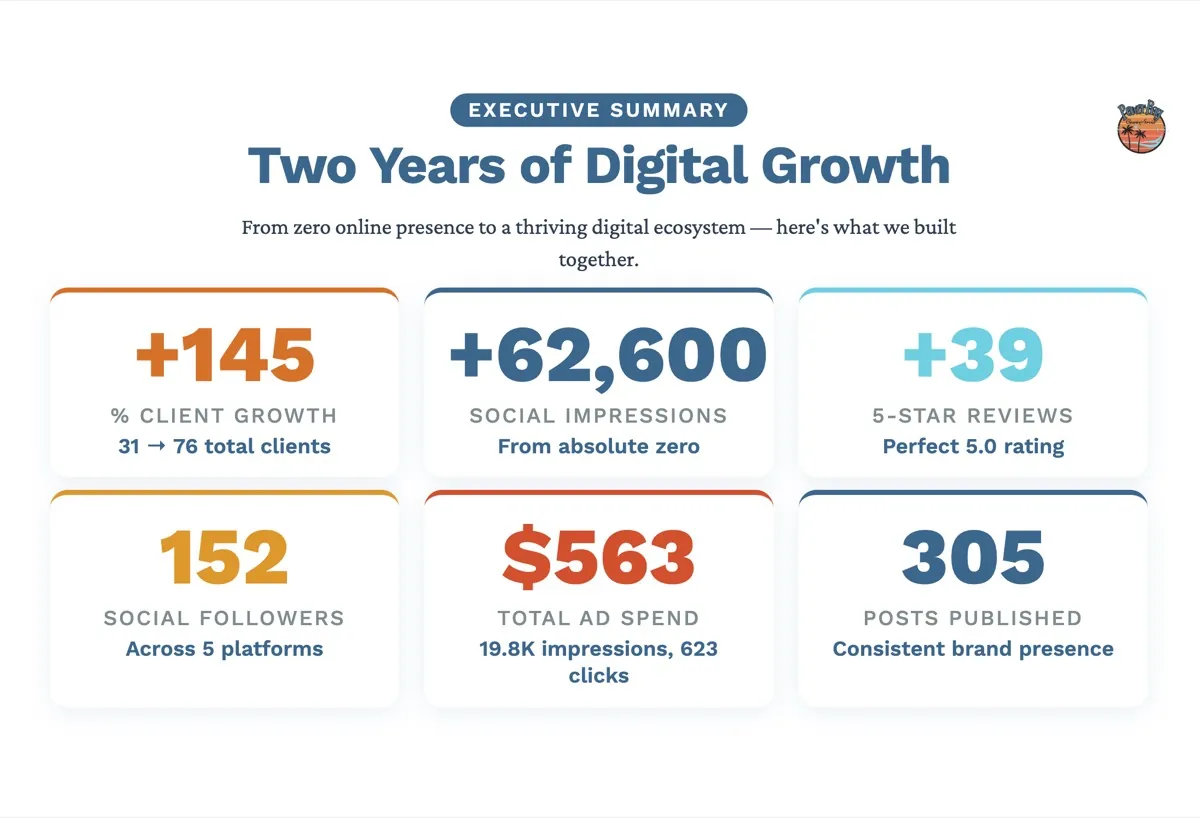
This wasn’t luck or a massive ad budget. It was the result of following a clear, stage-by-stage approach to how to build a high converting sales funnel — starting with a credible digital presence, building the infrastructure to handle leads, and then using targeted campaigns to drive traffic into a system that was ready to convert.
The key takeaway from the Power Bay story is that the funnel worked because every stage was in place before the next one started. They didn’t run ads before having a website. They didn’t scale spend before proving conversion. They built in order.
The Best Practices for a High Converting Sales Funnel in 2026
Based on what we see working across real businesses right now, these are the practices that consistently separate high-converting funnels from the ones that stagnate:
One clear CTA per page. Every landing page and funnel step should have a single, obvious next action. The moment you give someone two choices, you risk losing them to indecision.
Personalized follow-up sequences. Generic email blasts don’t convert. Sequences that speak to the prospect’s specific situation, stage, or interest convert at dramatically higher rates.
Consistent measurement. If you’re not tracking where prospects drop off in your funnel, you’re guessing. Set up KPI tracking before you run any meaningful traffic volume.
Mobile-first design. The majority of your prospects will first encounter your funnel on a mobile device. If the experience breaks on mobile, your conversion rate suffers across the board.
Trust signals at every stage. Case studies, testimonials, specific results, and clear credentials reduce the anxiety that stops prospects from taking the next step.
A defined offer. The clearer your offer is — who it’s for, what they get, what it costs, and what happens next — the easier it is to convert. Vague offers produce vague results.
Did You Know?
Personalized CTAs perform 202% better than generic, one-size-fits-all calls to action — which is why tailoring your funnel messaging to the prospect’s specific stage is one of the highest-impact optimizations you can make.
Common Mistakes That Kill Your High Converting Sales Funnel Before It Starts
Understanding how to build a high converting sales funnel is one thing. Avoiding the mistakes that destroy conversion at every stage is another.
Here are the most common failure points we see:
Mistake |
Why It Kills Conversions |
What to Do Instead |
|---|---|---|
Sending paid traffic to a homepage |
Too much choice, no clear next step |
Build a dedicated landing page with one CTA |
No lead nurture after capture |
Most leads aren’t ready to buy immediately |
Set up an automated follow-up sequence |
Unclear offer messaging |
Prospects don’t know if it’s for them |
Define who it’s for and what they get in the first sentence |
Skipping funnel infrastructure |
Leads fall through the cracks |
Build CRM and workflow automation before scaling |
No performance tracking |
You can’t fix what you can’t measure |
Install analytics and define KPIs from the start |
Trying to scale before proving conversion |
Scaling a broken funnel just means more waste |
Prove conversion at a small scale first, then increase volume |
How to Know When Your Funnel Is Ready to Scale
A common question we hear from small business owners is: “How do I know when my funnel is ready to scale?” The answer comes down to four signals:
Your conversion rate is consistent. If you’re converting at roughly the same rate across different traffic sources, your funnel messaging is solid and the system is working.
Your cost per lead is predictable. When you know what a lead costs you within a reasonable range, you can calculate what scaling looks like before you spend the money.
Your follow-up is automated and proven. If your nurture sequence is converting leads without manual effort, scaling traffic won’t overwhelm your team.
You have the data to make decisions. Dashboards, KPI tracking, and pipeline visibility mean you can identify problems early and fix them before they compound.
When these four things are in place, scaling becomes a controlled decision rather than a gamble. This is the point where working with a growth partner becomes the highest-leverage investment you can make, because you’re now accelerating something that already works.
To understand what that relationship looks like in practice, read our full breakdown of what a growth partner actually does and how to evaluate whether you need one.
Conclusion
Learning how to build a high converting sales funnel is one of the most direct things a small business can do to create consistent, predictable revenue growth in 2026. It’s not about running more ads or posting more content — it’s about building a structured system where every stage serves a purpose and every prospect has a clear path forward.
The businesses that win with funnels in 2026 are the ones that build in stages, measure obsessively, and treat optimization as an ongoing commitment rather than a one-time project.
Whether you’re starting from scratch or you have parts of a funnel already in place, the approach is the same: assess where you are, fill the gaps in order, prove conversion before scaling, and then invest in the infrastructure and strategic support to keep improving. That’s how a high converting sales funnel becomes the engine for genuine, durable scaleable growth.
If you’re ready to build your funnel with structure and real support behind it, find your starting point on our growth path and take the first step.
Frequently Asked Questions
A basic, functional funnel — landing page, lead capture, and automated follow-up — can be built in two to four weeks. A fully optimized, multi-stage high converting sales funnel with CRM integration, nurture sequences, and performance tracking typically takes 60 to 90 days to build and prove out at a small scale before you increase traffic volume.
Start with your strongest asset: a clear, specific offer and a single landing page with one call to action. Add a basic email follow-up sequence using a low-cost CRM, and drive initial traffic through organic or low-cost channels to prove conversion before spending on paid ads. The key is building a high converting sales funnel in stages rather than trying to do everything at once.
If your business has already proven there is demand for what you offer and you want to scale that demand systematically, a growth partner is one of the most efficient investments you can make. They bring both the strategic direction and the execution capacity to build, optimize, and scale your funnel without you having to manage every moving part yourself.
You need a landing page builder (or a conversion-optimized website), a CRM to manage and track your leads, an email automation platform for nurture sequences, and an analytics tool to monitor performance at every stage. The specific tools matter less than having each of these functions covered and connected into a working system.
Track conversion rate at each stage of the funnel — from traffic to lead, lead to qualified prospect, and prospect to client. The median landing page conversion rate sits around 6.6%, so anything above that with consistent traffic is a strong signal. More importantly, track the trend: if your conversion rate is improving over time, your funnel is working and your optimization efforts are paying off.
A marketing funnel focuses on generating awareness and interest — the top of the journey. A sales funnel covers the full path from that first point of interest through to a completed transaction and often extends into retention. When we talk about how to build a high converting sales funnel, we mean the full system: awareness, nurture, conversion, and the follow-through that maximizes the value of every client acquired.
Identify the specific stage where leads are falling off by tracking your conversion rate at each step, then address the friction point directly — whether that is unclear messaging, a slow follow-up response, a confusing offer, or a lack of trust signals. Most funnel drop-off problems are fixable once you have the data to see exactly where they are happening rather than guessing from the overall results.